

What is a Variable Frequency Pump?
A variable frequency pump, also known as a VFD pump (Variable Frequency Drive pump), is a type of water pump equipped with a variable frequency drive to adjust its operating speed. Unlike traditional fixed-speed pumps that run at a constant speed, it can dynamically modify the motor’s rotational speed based on actual water demand, achieving energy-efficient and precise flow control.
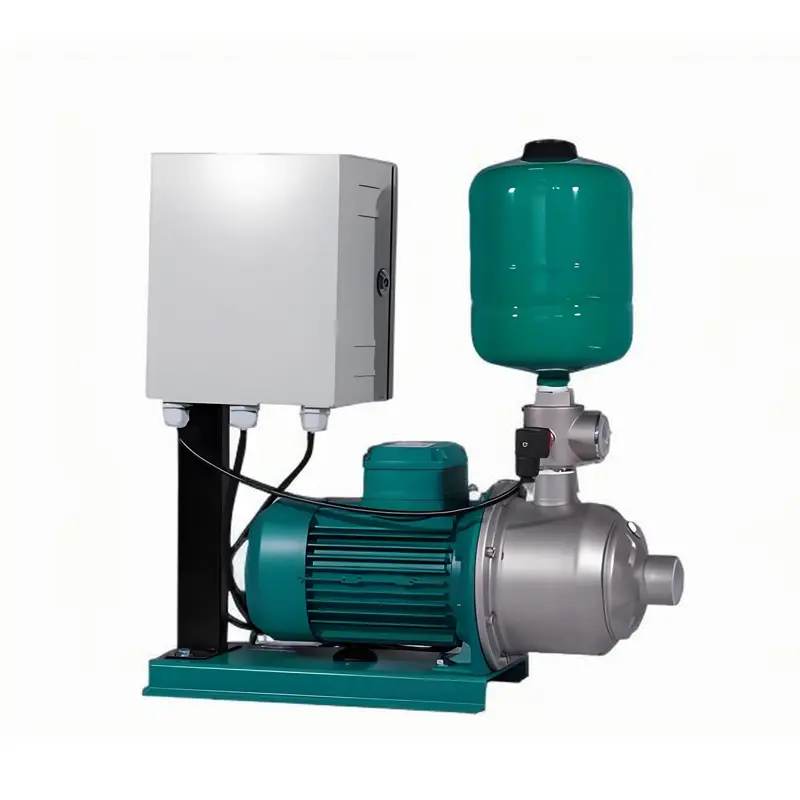
How Does a Variable Frequency Pump Work?
The core of a variable frequency pump lies in the variable frequency drive (VFD), which converts the fixed-frequency alternating current (typically 50Hz or 60Hz) into adjustable-frequency power. This process allows the pump motor to change speed:
- When water demand increases, the VFD raises the frequency, increasing the motor speed and output flow.
- When demand decreases, the frequency is reduced, slowing the motor and conserving energy.
Sensors (e.g., pressure sensors, flow meters) in the system monitor real-time conditions and send signals to the VFD, enabling automatic speed adjustments without manual intervention.
Key Benefits of Variable Frequency Pumps
- Energy Efficiency: By matching speed to demand, they reduce energy consumption by 30%-50% compared to fixed-speed pumps (thanks to the affinity law, where power consumption is proportional to the cube of speed).
- Extended Lifespan: Lower operating speeds and reduced start-stop cycles minimize wear on components like motors and impellers.
- Stable Pressure/Flow: Maintains consistent water pressure in systems (e.g., residential plumbing, irrigation), avoiding fluctuations.
- Quiet Operation: Slower speeds reduce noise, making them suitable for noise-sensitive environments.
- Smart Control: Integrates with building management systems (BMS) for remote monitoring and automation.
Common Applications
Variable frequency pumps are widely used in various fields:
- Residential and Commercial Buildings: Water supply, heating, and air conditioning systems.
- Industrial Sector: Process water circulation, wastewater treatment, and manufacturing lines.
- Agriculture: Irrigation systems to optimize water usage based on crop needs.
- Municipal Infrastructure: Water distribution networks and sewage pumping stations.
Why Choose a Variable Frequency Pump?
For systems with varying water demand, variable frequency pumps offer a cost-effective and sustainable solution. Their ability to adapt to real-time conditions not only cuts energy bills but also reduces maintenance costs over time, making them a preferred choice for modern pumping applications.