
Brushless vs Brushed Motors: Comprehensive Comparison Guide
When it comes to electric motor technology, understanding the fundamental differences between brushless and brushed motors is essential for making informed decisions in product design, equipment selection, and system optimization. These two motor technologies offer distinct advantages and disadvantages that significantly impact performance, efficiency, maintenance requirements, and overall cost of ownership.
Fundamental Structural Differences
Brushed Motor Construction
- Key Components
- Incorporates physical carbon brushes and a mechanical commutator
- Rotor assembly contains wire windings connected to the commutator
- Stator typically consists of permanent magnets or field windings
- Brush holders maintain contact pressure between brushes and commutator
Brushless Motor Construction
- Modern Design Features
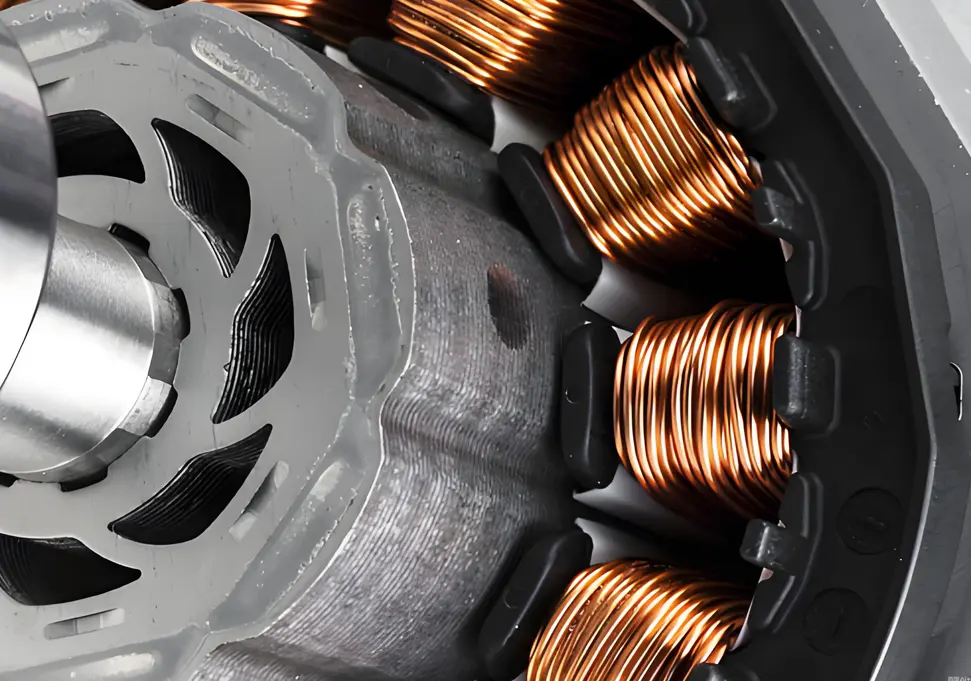
- Eliminates physical brushes and mechanical commutators
- Rotor assembly usually features high-strength permanent magnets
- Stator contains multiple wire windings arranged in a specific pattern
- Requires electronic speed controller (ESC) for operation
Operational Principles Explained
Brushed Motor Functionality
- Current Flow Process
- Electrical current travels through brushes into the commutator
- Commutator segments distribute current to appropriate rotor windings
- Electromagnetic fields are created in the rotor windings
- Interaction between rotor and stator magnetic fields produces rotational torque
- Commutator mechanically reverses current direction as rotor turns
Brushless Motor Functionality
- Electronic Commutation System
- Position sensors detect rotor orientation (hall effect sensors or sensorless designs)
- Electronic speed controller processes sensor data
- ESC sequentially energizes stator windings in optimal sequence
- Rotating magnetic field is created in the stator
- Rotor permanent magnets follow the rotating magnetic field
Performance Characteristics Comparison
| Performance Metric | Brushed Motors | Brushless Motors |
|---|---|---|
| Energy Efficiency | 60-75% typical | 85-95% typical |
| Speed Regulation | Basic control capability | Precise speed control |
| Starting Torque | High initial torque | Moderate starting torque |
| Maximum RPM | Limited by commutator | Higher RPM capability |
| Operational Lifespan | 1,000-3,000 hours | 10,000-20,000+ hours |
| Maintenance Requirements | Regular brush replacement | Minimal maintenance |
| Noise Production | Noticeable operational noise | Quiet operation |
| EMI Generation | Significant interference | Minimal electromagnetic interference |
| Power-to-Weight Ratio | Lower efficiency | Higher power density |
Advantages and Limitations Analysis
Brushed Motor Advantages
- Cost and Simplicity Benefits
- Lower initial purchase cost
- Simple control requirements (no ESC needed)
- Excellent low-speed torque characteristics
- Robust performance in harsh environments
- Tolerant of voltage fluctuations
Brushed Motor Limitations
- Performance and Maintenance Issues
- Limited operational lifespan due to brush wear
- Brush arcing creates electromagnetic interference
- Higher operational temperatures
- Reduced efficiency at high speeds
- Not suitable for explosive environments
Brushless Motor Advantages
- Performance and Reliability Benefits
- Significantly longer operational life
- Higher energy efficiency across speed ranges
- Reduced heat generation
- Smooth, quiet operation
- Precise speed and torque control
- No electromagnetic interference from brushes
Brushless Motor Limitations
- Cost and Complexity Considerations
- Higher initial investment cost (30-100% more than brushed)
- Requires sophisticated electronic controller
- More complex troubleshooting
- Sensitive to voltage spikes and electrical noise
- Limited torque at very low speeds
Application-Specific Recommendations
Ideal Brushed Motor Applications
- Cost-Sensitive Implementations
- Household appliances (vacuum cleaners, blenders)
- Entry-level power tools
- Simple toys and hobby models
- Automotive auxiliary systems
- Applications requiring high starting torque
Optimal Brushless Motor Applications
- Performance-Critical Systems
- Electric vehicles and hybrid powertrains
- Industrial automation equipment
- High-performance drones and UAVs
- Premium home appliances
- Medical equipment requiring precision
- Renewable energy systems
- Robotics applications
Economic Considerations
Total Cost of Ownership Analysis
-
Initial Investment Comparison
- Brushed motors: Lower upfront cost
- Brushless motors: Higher initial investment but better long-term value
-
Operational Cost Factors
- Energy consumption differences (brushless motors save 15-30% energy)
- Maintenance costs (brushed motors require periodic brush replacement)
- Downtime considerations (brushless motors have fewer failure points)
-
Lifespan Economics
- Brushless motors typically last 5-10 times longer
- Reduced replacement frequency lowers long-term costs
- Better reliability reduces productivity losses
Future Technology Trends
-
Industry Adoption Patterns
- Growing preference for brushless technology in new designs
- Cost reduction trends making brushless motors more accessible
- Integration with smart control systems and IoT capabilities
-
Technological Advancements
- Improved sensorless control algorithms
- Enhanced power density through material science innovations
- Integration with energy recovery systems
- Development of more efficient motor drivers
Conclusion: Selecting the Right Motor Technology
The decision between brushless and brushed motors depends on multiple factors including application requirements, performance needs, budget constraints, and long-term operational considerations. While brushed motors offer cost advantages for simple applications, brushless technology delivers superior efficiency, longevity, and performance for demanding applications.
As electronic component costs continue to decrease and performance requirements increase, brushless motors are becoming the preferred choice across an expanding range of applications. Understanding the specific needs of your application will ensure optimal motor selection and system performance.