

Droop Control for Frequency Converters (Inverters) – A Plain-Language Guide
1. What it is
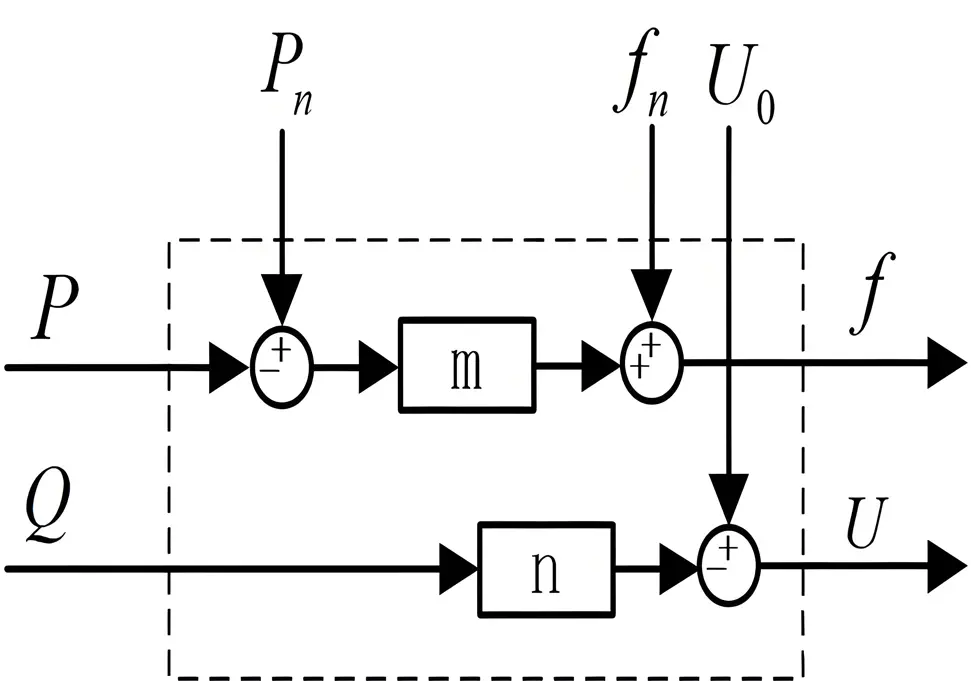
Droop control imitates the natural speed-droop characteristic of a traditional synchronous generator. It lets several motors or inverters work in parallel without any data cable between them, automatically sharing the load.
2. The basic idea (one-sentence version)
“Whoever works harder runs a tiny bit slower; whoever works less runs a tiny bit faster.”
3. How it works in plain words
When a motor suddenly sees more load, its output frequency drops a little.
The other motors feel that micro-slow-down and pick up the extra kilowatts.
When the load decreases, the process reverses.
No master controller is required; each unit decides for itself.
4. Key equation (frequency droop)
f = f₀ – kₚ · P
f: actual output frequency
f₀: no-load frequency set-point
kₚ: frequency-droop coefficient (Hz per kW)
P: active power the unit is delivering
5. Where it is used
Multi-motor conveyor belts – keeps every motor equally loaded
Gantry crane long-travel drives – keeps both sides synchronized so the crane does not skew
Micro-grids or battery inverters – keeps many small sources in parallel without communication
6. Pros and cons
Advantages
No communication wires needed; simple and rugged
Natural redundancy—if one unit trips, the others absorb its share
Behaves like a real generator, so power-system operators understand it
Drawbacks
Steady-state error: frequency and voltage move away from the nominal value
Load-sharing accuracy depends on cable impedance and calibration
Slower dynamic response; may need supplementary control for fast transients
7. One-line takeaway
Droop control turns a group of frequency converters into self-balancing teammates: they automatically share the burden, running a hair slower when they shoulder more and a hair faster when they lighten up.