Applications and Use Cases for Solar Panels
As a device that converts solar energy into electrical energy, solar panels have a wide range of application scenarios. Below are some of the most common ones:
1. Power Supply Sector
-
-
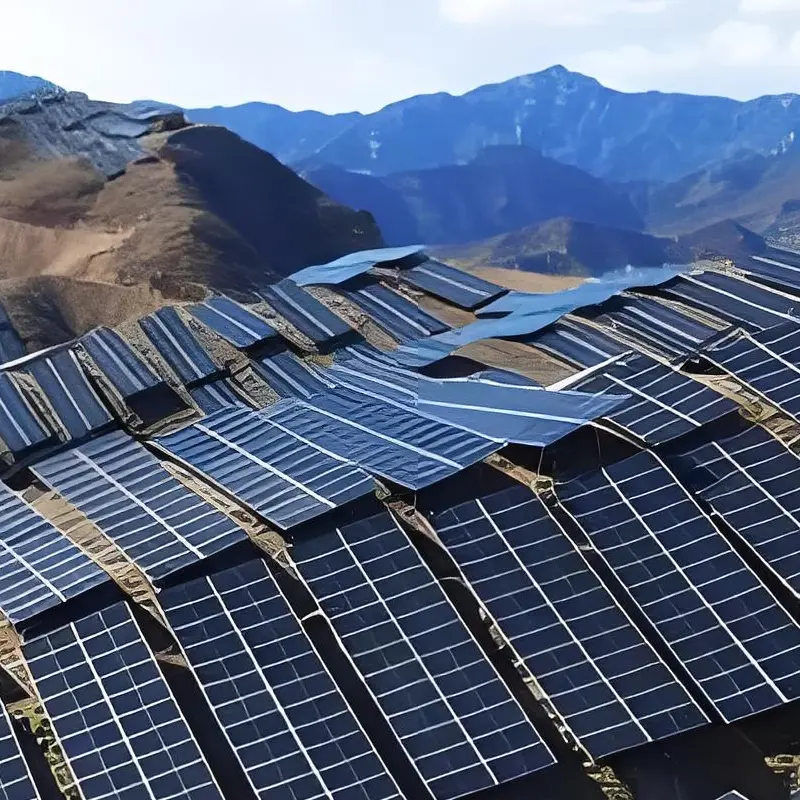
- Solar Power Plants: Large-scale solar photovoltaic (PV) power plants consist of numerous solar PV panels integrated into a complete solar power generation system. These plants can be connected to energy storage systems and power grids, providing reliable electricity for cities and regions.
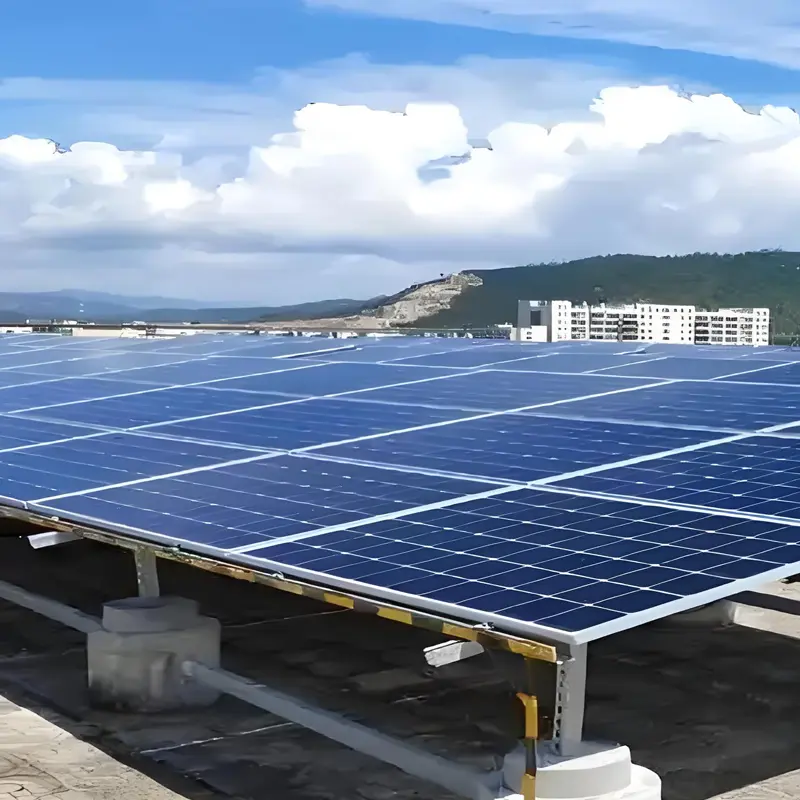
- Rooftop PV Systems: PV panels are installed on the rooftops of residential and commercial buildings to harness solar energy for electricity generation. Such systems can meet part or all of a building’s electricity needs. An inverter converts the direct current (DC) produced by the panels into alternating current (AC) for indoor use, and any excess electricity can be fed back into the power grid.
-
2. Lighting Sector
-
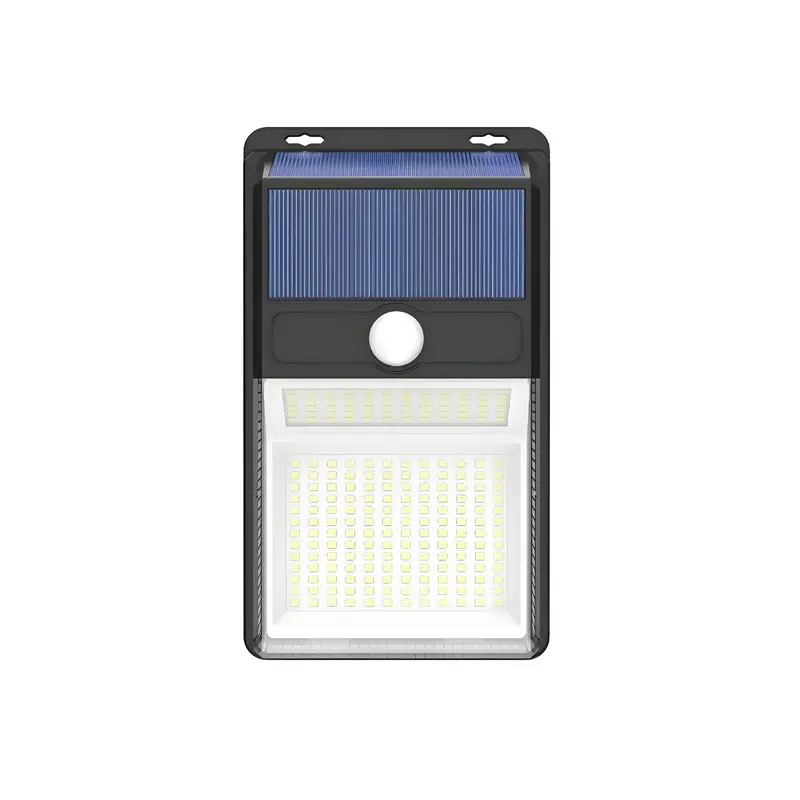
- Outdoor Lighting Systems: Solar wall lamps, lawn lamps, and garden lamps are equipped with low-power solar panels. Using monocrystalline silicon cells, these lamps can generate electricity even in low-light conditions, fulfilling outdoor landscape lighting requirements. They also feature waterproof and moisture-resistant properties, making them suitable for long-term outdoor use.
-
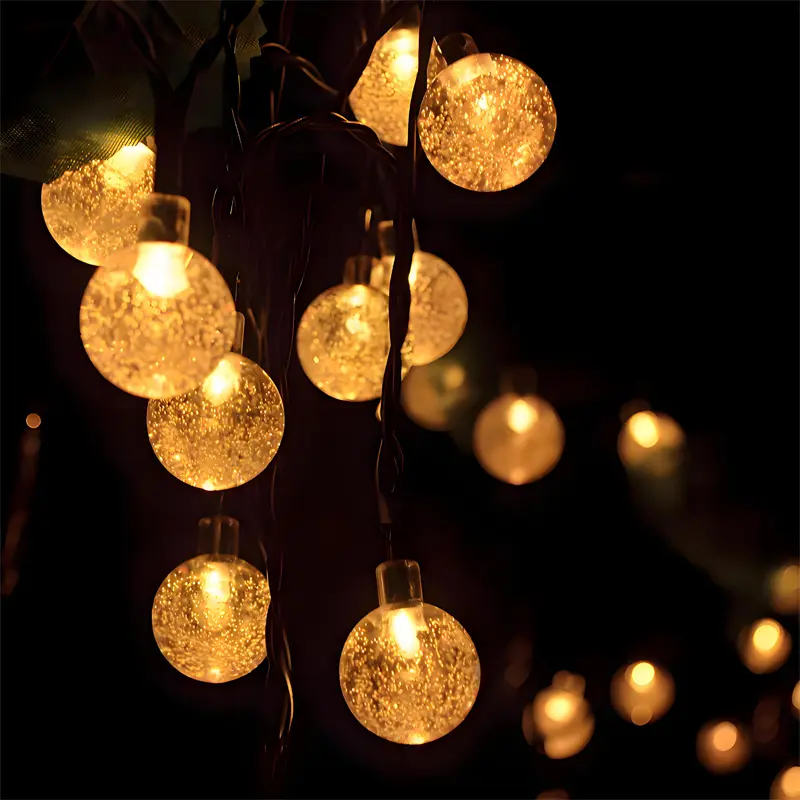
- Portable Lighting Devices: Products like solar light strings and camping lights adopt an ultra-thin design and can be paired with portable energy storage devices. They provide stable lighting for activities such as camping and hiking, with a battery life of over 72 hours.
3. Transportation Sector
-
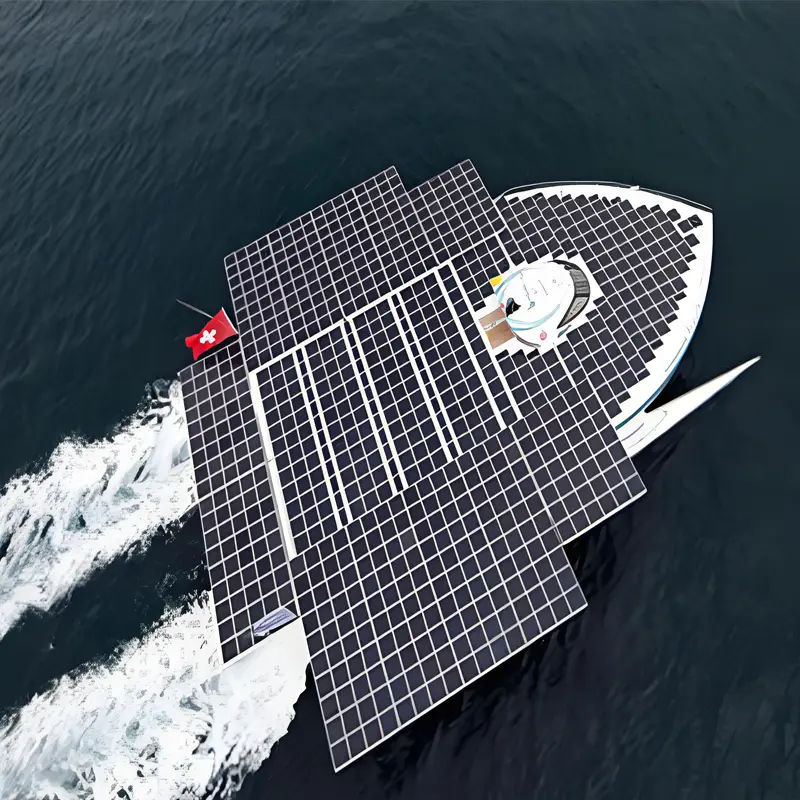
- Vehicle Power Sources: Some vessels—including sightseeing boats, fishing boats, and sailboats—use solar panels as a power source to reduce dependence on fossil fuels. Additionally, there are photovoltaic unmanned vehicles and photovoltaic rail transit systems, which leverage solar energy to provide clean, renewable energy solutions for vehicle operation.
-
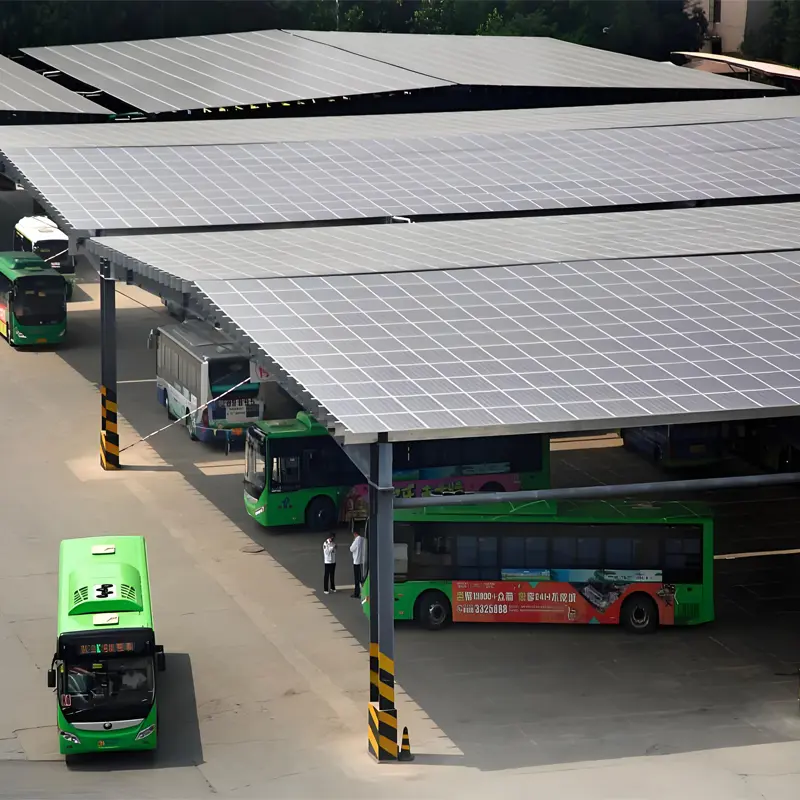
- Power for Transportation Facilities: Solar panels can power photovoltaic bus stops, photovoltaic charging stations, and photovoltaic traffic signals. This enhances the environmental friendliness of transportation facilities and improves their energy efficiency.
4. Agricultural Sector
-
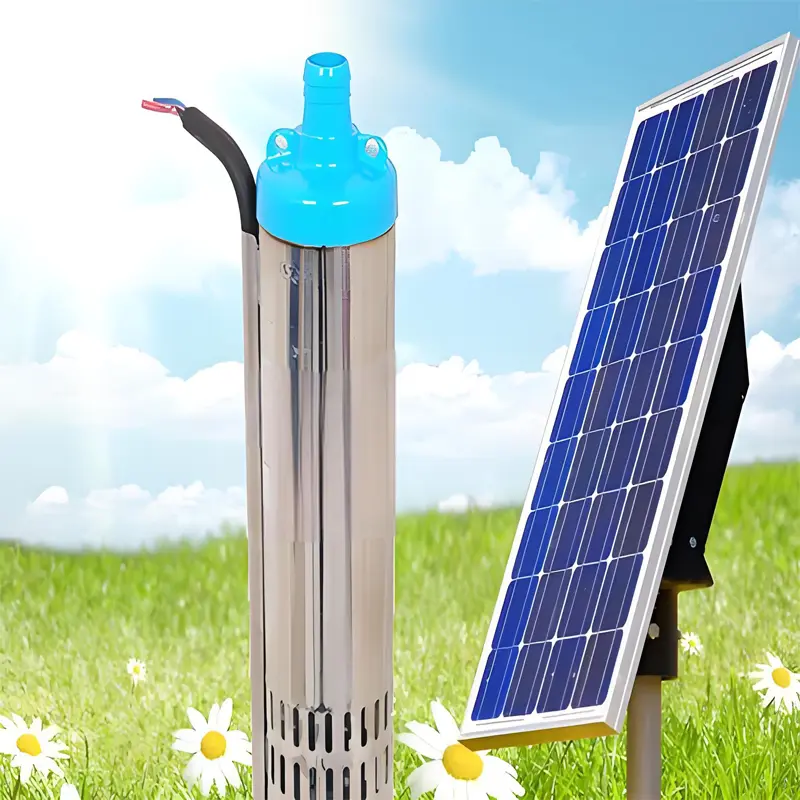
- Agricultural Irrigation: Solar water pumps use solar energy to pump water to the ground or transport it to needed locations. They are widely used in farmland irrigation, water supply for agriculture and animal husbandry, and drinking water provision—replacing traditional electric or fuel-powered pumps.
-
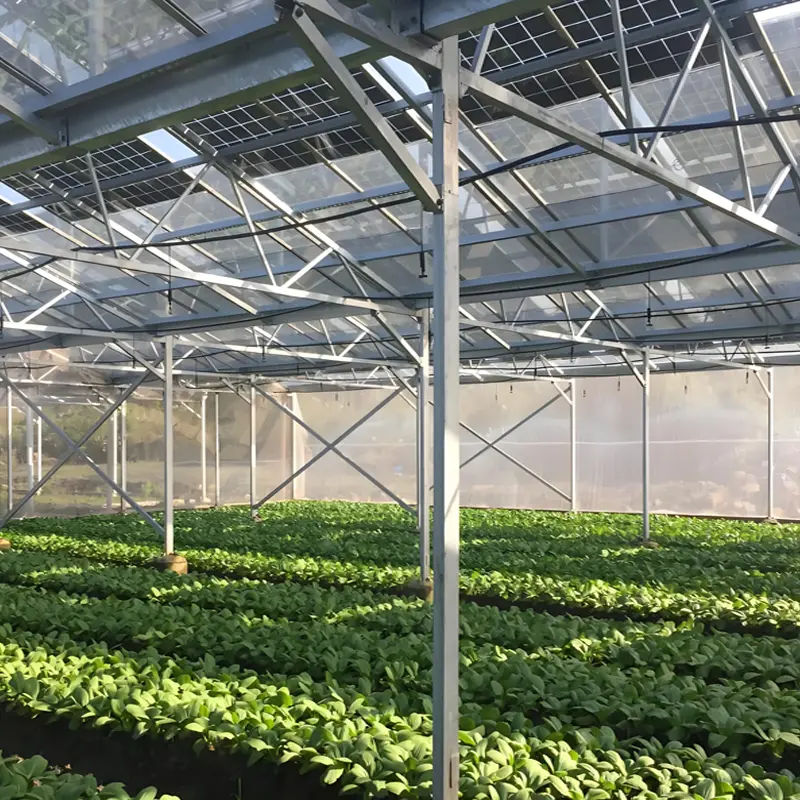
- Power for Agricultural Facilities: Solar power is used to supply energy for equipment like ventilation systems, lighting, and temperature control devices in greenhouses, chicken coops, and livestock sheds. This boosts agricultural production efficiency, provides green energy for agricultural breeding, and reduces environmental pollution.
5. Communication Sector
-
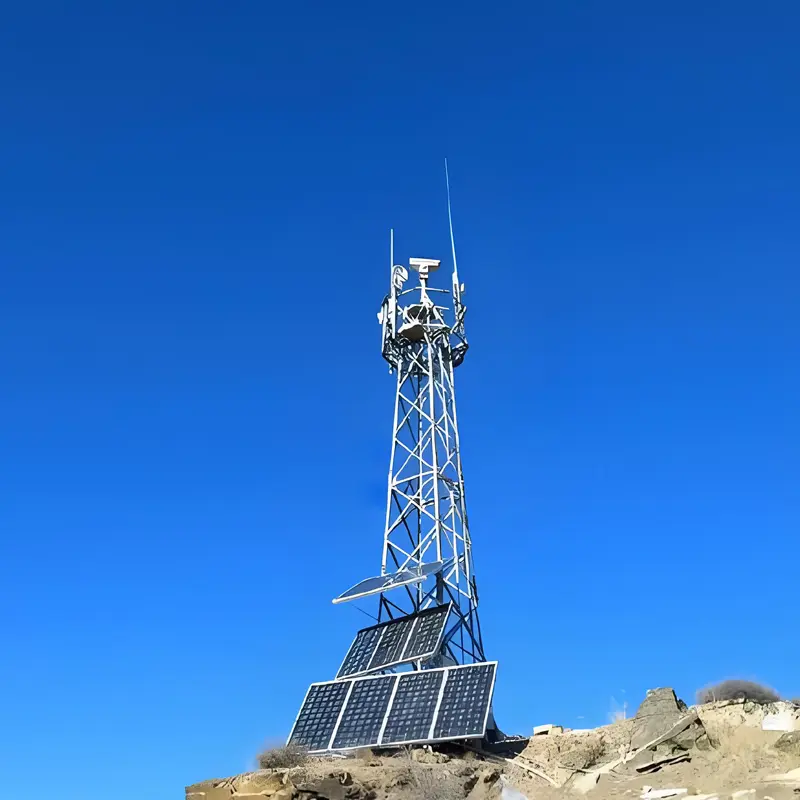
- Power for Communication Base Stations: Communication base stations, satellite base stations, and wireless terminals can be independently powered by solar PV systems. This significantly improves the reliability and availability of communication equipment—especially in remote areas or regions without grid coverage, where solar panels ensure a stable power supply for communication devices.
-
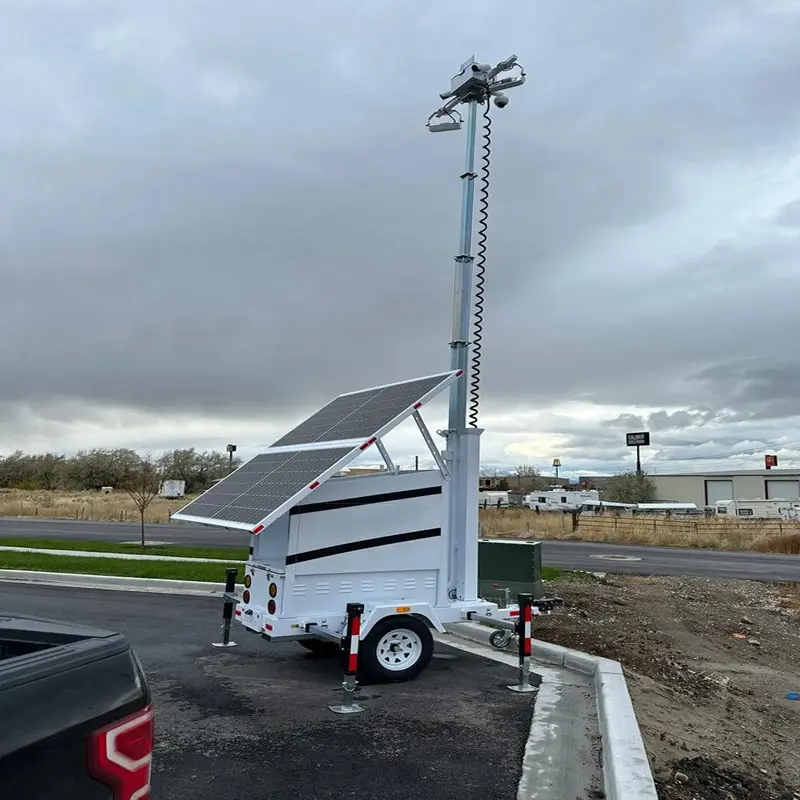
- Power for Emergency Communication Equipment: During emergency communication scenarios (such as natural disasters), solar panels can power emergency communication devices to maintain smooth communication.
6. Portable Electronic Products Sector
-
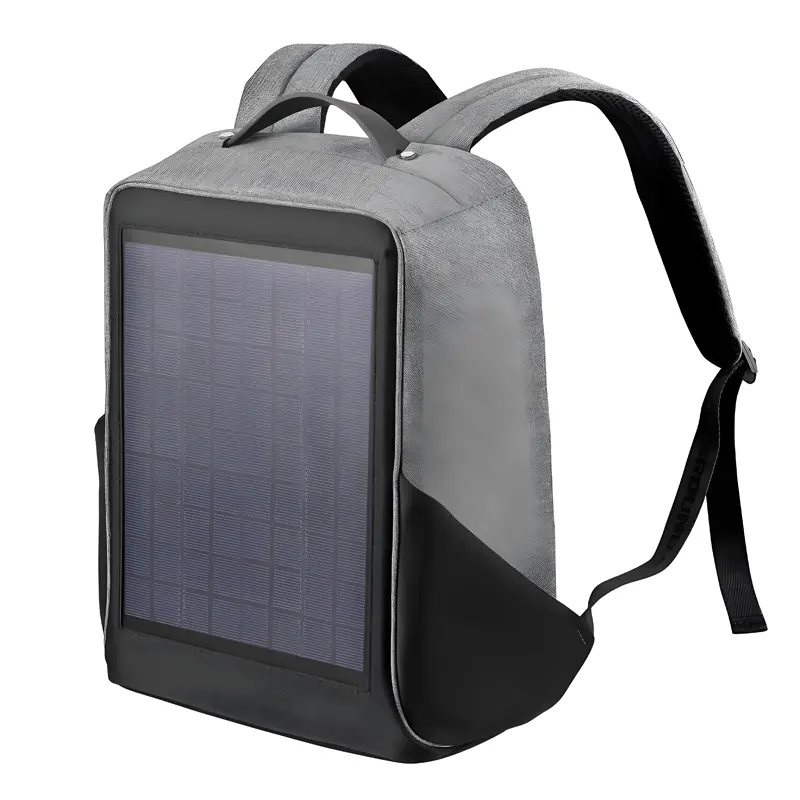
- Charging for Wearable Devices: Flexible solar panels integrated into items like backpacks and outdoor clothing can continuously charge wearable devices (e.g., smartwatches and Bluetooth headsets). They enable energy self-sufficiency in mobile scenarios, offering convenience to outdoor enthusiasts.
-
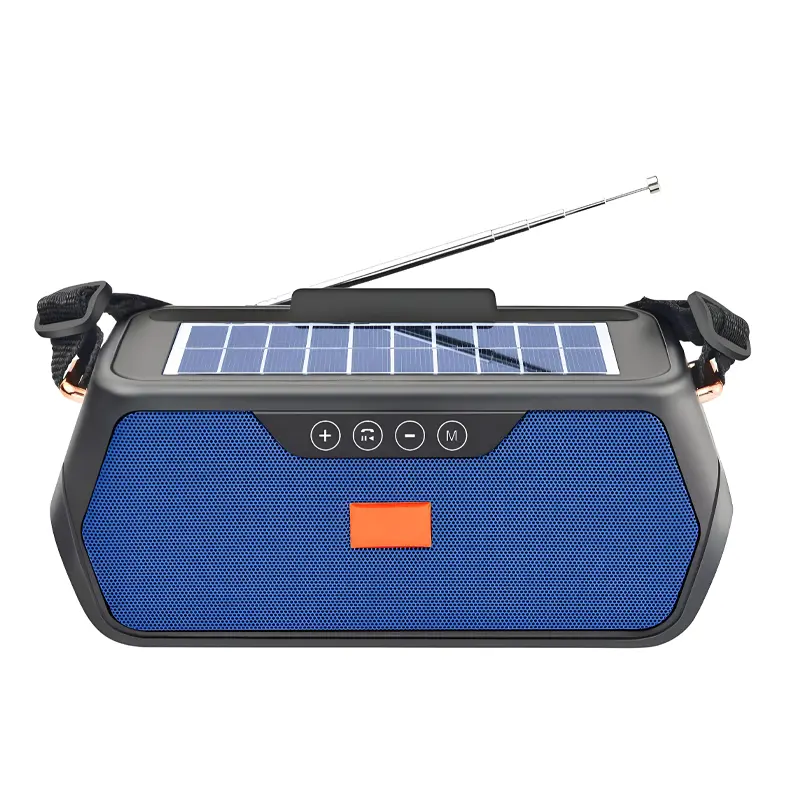
- Power for Small Appliances: Small appliances such as solar radios, solar clocks, and solar calculators use solar panels to collect solar energy. This allows them to operate maintenance-free in off-grid environments.