

Comprehensive Guide to Motor Shaft Extension Protection Requirements
Motor shaft extensions serve as critical power transmission components in industrial machinery, but they also present significant safety hazards due to their rotating nature. Proper protection of these components is essential for ensuring workplace safety, preventing accidents, and maintaining equipment reliability. This comprehensive guide outlines the key requirements for effective motor shaft extension protection systems.
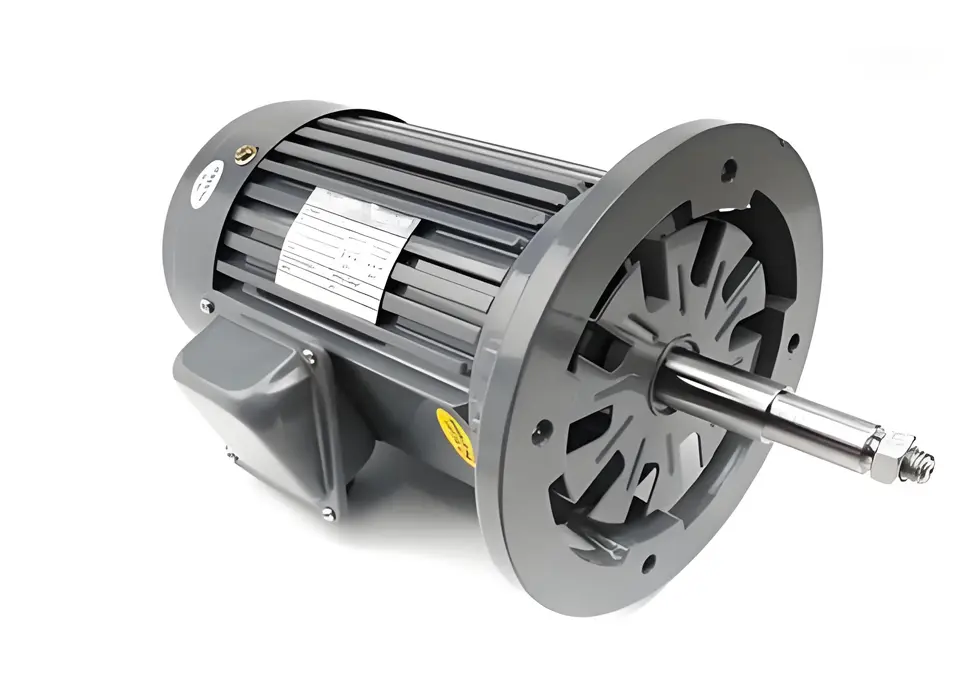
Essential Safety Requirements for Motor Shaft Protection
Protection Coverage Specifications
-
Complete Enclosure Requirements
- Protective devices must fully enclose all rotating elements including shaft extensions, keyways, shaft ends, and couplings
- Total coverage eliminates exposure of moving parts that could cause injury
- Safety distance calculations must account for maximum shaft deflection during operation
- Protection must extend beyond the immediate shaft area to include associated rotating components
-
Structural Integrity Standards
- Protective barriers must withstand minimum impact forces as specified in ISO 13857
- Materials must maintain structural integrity under expected operating conditions
- Design must prevent accidental dislodgement during machine operation
- Load-bearing capacity should exceed anticipated forces from normal operation and maintenance activities
-
Access Prevention Measures
- Physical barriers must prevent finger, hand, or tool access to hazardous areas
- openings or gaps must not exceed 8mm for finger protection
- Perimeter protection should extend to prevent reaching around, under, or over the guard
- Design must account for human factors engineering principles to prevent unintentional access
Protective Device Classification and Selection
Fixed Protective Systems
- Permanent Barrier Solutions
- Bolted or welded enclosures requiring tools for removal
- Ideal for applications with minimal maintenance requirements
- Materials selection based on environmental conditions and durability needs
- Design should facilitate visual inspection without removal
Adjustable and Removable Protection
- Quick-Access Design Features
- Hinged or sliding mechanisms for maintenance access
- Quick-release fasteners that maintain security during operation
- Position indicators to confirm proper closure
- Interlocking capabilities to prevent operation when open
Interlocking Protection Systems
- Safety Interlock Technology
- Electrical interlocks that disconnect power when guards are removed
- Non-contact sensors for applications requiring frequent access
- Redundant safety circuits to prevent single-point failures
- Manual reset requirements after guard repositioning
Material Selection Guidelines for Shaft Protection
Metallic Protection Materials
- Metal Enclosure Specifications
- Carbon steel, stainless steel, or aluminum construction options
- Corrosion-resistant finishes for harsh environments
- Minimum thickness requirements based on protection type
- Surface treatments to prevent rust and corrosion
Non-Metallic Protection Solutions
- Engineered Polymer Systems
- High-strength thermoplastics for lightweight applications
- Glass-reinforced composites for enhanced durability
- UV-stabilized materials for outdoor or high-exposure installations
- Electrical insulation properties for applications with energized components
Transparent Protection Options
- Visual Inspection Solutions
- Tempered glass panels meeting safety glazing standards
- Polycarbonate shields with minimum 3mm thickness
- Anti-scratch coatings for extended service life
- Impact resistance ratings exceeding industry requirements
Installation and Mounting Specifications
Proper Positioning Requirements
-
Mounting Location Standards
- Secure attachment to machine frame or stationary structure
- Alignment with shaft centerline to maintain uniform clearance
- Positioning to avoid interference with maintenance activities
- Compatibility with existing machine guards and safety systems
-
Fastening and Securing Methods
- High-tensile fasteners with appropriate locking mechanisms
- Minimum thread engagement of 1.5 times the fastener diameter
- Vibration-resistant mounting systems for high-speed applications
- Periodic inspection points for fastener integrity
-
Environmental Sealing Requirements
- Gasketed designs for dust and moisture protection
- IP rating compliance based on application environment
- Pressure differential considerations for enclosed systems
- Thermal expansion allowances for temperature variations
Maintenance and Inspection Protocols
Preventive Maintenance Schedule
-
Regular Inspection Requirements
- Weekly visual inspections for damage or misalignment
- Monthly functional testing of interlock systems
- Quarterly verification of safety distances and clearances
- Annual comprehensive evaluation of all protective components
-
Cleaning and Preservation Practices
- Regular removal of accumulated debris and contaminants
- Lubrication of moving parts in adjustable guards
- Replacement of worn or damaged components
- Verification of proper operation after maintenance activities
-
Documentation and Record-Keeping
- Maintenance logs for all protective devices
- Inspection checklists for standardized evaluation
- Replacement schedules for wear components
- Incident reports for any failures or near-misses
International Standards and Compliance Requirements
Global Safety Standards
- Key International Specifications
- ISO 13857: Safety distances for machine guards
- IEC 60204-1: Electrical safety of machinery
- EN 953: Safety of machinery – Guards – General requirements
- OSHA 1910.212: Machine guarding requirements
Regional Compliance Considerations
-
North American Standards
- ANSI/RIA R15.06: Industrial robot safety
- CSA Z432: Safeguarding of machinery
- NFPA 79: Electrical standard for industrial machinery
-
Specialized Application Standards
- ATEX and IECEx requirements for hazardous locations
- Food industry standards for washdown environments
- Marine and offshore specifications for corrosion resistance
Implementation Best Practices
-
Risk Assessment Methodology
- Hazard identification process for rotating components
- Risk evaluation using ISO 12100 methodology
- Determination of required safety measures
- Verification of protective device effectiveness
-
Training and Documentation
- Operator training on guard function and importance
- Maintenance procedures for protective systems
- Emergency response protocols for guard failures
- Safety awareness programs for machine operators
Conclusion: Developing an Effective Shaft Protection Strategy
Implementing comprehensive motor shaft extension protection requires a systematic approach that considers machine design, operational requirements, and safety standards. By selecting appropriate protection methods, ensuring proper installation, and maintaining regular inspection protocols, organizations can create safer work environments while maximizing equipment reliability.
The most effective protection systems balance safety requirements with operational needs, providing adequate safeguards without impeding maintenance activities or productivity. Regular review and updates to protection systems ensure continued compliance with evolving safety standards and technological advancements.