

How to Fix Water Pump Rust: Solutions for Water-Scarce & Resource-Limited Areas
As a professional water pump manufacturer, we understand that water pumps are critical for daily water access, agricultural irrigation, and basic livelihoods—especially in water-scarce areas and regions with limited resources. Rust on water pumps not only disrupts water supply but also creates extra challenges due to limited repair tools and budget constraints. To help you address water pump rust effectively using local resources, this guide covers common causes of water pump rust, low-cost DIY fixes, and sustainable prevention tips tailored to your environment.
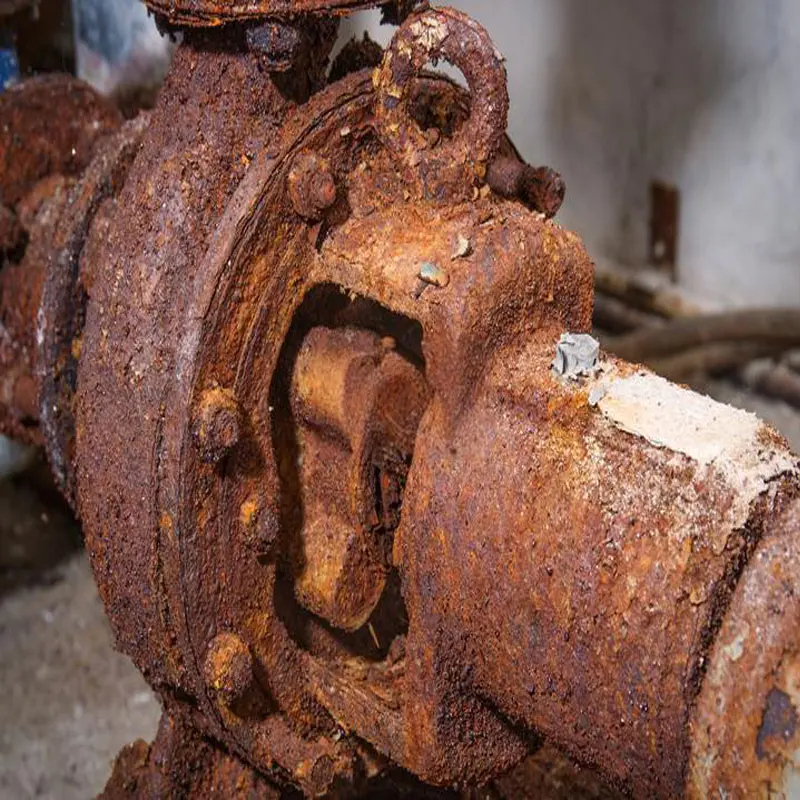
1. Common Causes of Water Pump Rust (Why It Happens in Your Area)
Before fixing rust, it’s key to understand why it forms—especially in resource-limited or water-scarce regions. This helps you target solutions more precisely.
1.1 Material Choices & Budget Constraints
Many users in resource-limited areas choose affordable cast iron water pumps due to budget limits. While cast iron is durable, it has low corrosion resistance. When exposed to moisture (e.g., rain, dew during open-air storage) or water containing sand, minerals, or trace corrosive substances (common in well water or river water), cast iron easily oxidizes and rusts.
1.2 Harsh Usage & Storage Environments
- Poor water quality: In water-scarce areas, water sources (wells, rivers, ponds) often contain high levels of sand, sediment, or minerals. These impurities stick to metal parts (like impellers or pipes) and speed up corrosion.
- Open-air exposure: Without dedicated storage spaces (a common issue in regions with limited infrastructure), pumps are left outside. Extreme temperature changes (day-night differences), rain, and dew directly contact the pump, accelerating rust.
- Lack of shelter: Few areas have sheds or covers for pumps, so UV rays and rain further damage the metal surface.
1.3 Limited Maintenance Awareness & Resources
Many users lack access to specialized rust-preventive oils or rust removers due to cost or supply chain issues. After use, pumps are rarely cleaned of leftover sediment or water. Long periods of inactivity (e.g., between planting seasons) leave metal parts exposed to air and moisture, leading to gradual rust.
2. Low-Cost Water Pump Rust Fixes (Using Local Resources)
You don’t need expensive tools to remove rust. Below are step-by-step solutions based on rust severity—all using materials easy to find in your area.
2.1 Light Rust: Fix with Household Items
For surface rust (no damage to the metal structure), use everyday supplies:
- Materials needed: Fine sand (sifted to remove large particles), old cotton cloths or burlap, and homemade soapy water (mix soap or detergent with water).
- Steps:
- Wipe the pump surface with soapy water to remove dirt, oil, and sand.
- Wrap fine sand in a cloth and gently rub the rusted area—apply light pressure to avoid scratching the metal.
- Wipe away sand and rust debris with a clean cloth.
- Dry the pump thoroughly with a dry cloth to remove all moisture (moisture left behind causes new rust).
2.2 Moderate Rust: Use Vinegar or Low-Cost Rust Removers
For visible rust spots (but no metal deformation), use affordable, local alternatives:
-
Option 1: Vinegar (common in kitchens)
- Dilute vinegar with water (1:1 ratio—vinegar is acidic, so dilution prevents metal damage).
- Soak a cloth in the mixture and wrap it around the rusted area. Let it sit for 10–15 minutes (don’t leave it longer—vinegar can etch metal).
- Scrub the rust with a hard brush (or a stick wrapped in cloth) to remove loose rust.
- Rinse the pump with clean water and dry it completely.
-
Option 2: Low-cost industrial rust removers
- If you can buy affordable weak acidic cleaners (e.g., local industrial detergents), dilute them (follow the label—if there’s no label, add more water to reduce strength).
- Apply the diluted remover to rust spots with a cloth. Wait 10 minutes, then scrub gently.
- Rinse and dry thoroughly.
2.3 Severe Rust: Practical Repair Tips (Minimize Costs)
If rust causes parts to deform, break, or stop the pump from working:
- Check core parts first: Focus on critical components like impellers, hoses, or connectors. If local repair shops exist, ask them to replace these parts with affordable, durable alternatives (e.g., replace cast iron impellers with locally available wear-resistant plastic or metal parts).
- Contact the manufacturer: If local repairs aren’t possible, reach out to our customer service. We offer low-cost replacement kits for core parts (small, easy to ship) and provide detailed installation diagrams—so you or a local technician can install them without extra fees.
- Avoid forced disassembly: Don’t take the pump apart randomly—this may damage more parts and increase repair costs.
3. How to Prevent Water Pump Rust (Sustainable & Low-Cost)
Preventing rust is cheaper and easier than fixing it. These tips use local resources and require minimal effort.
3.1 Choose the Right Pump for Your Environment
- Prioritize cost-effective corrosion-resistant pumps: If your budget allows, select galvanized steel or coated cast iron pumps (cheaper than full stainless steel but more rust-resistant than plain cast iron). These work well for water with high sediment or mineral content.
- Protect plain cast iron pumps: If you only have access to cast iron pumps, apply a thin layer of used motor oil (from motorcycles or tractors—easy to find locally) to the metal surface after use. This creates a protective barrier against moisture.
3.2 Simple Daily Maintenance (No Extra Cost)
- Clean after use: After pumping water, run clean water through the pump for 5 minutes to flush out sand and sediment. This prevents buildup on internal parts.
- Dry thoroughly: Empty all water from the pump (including hoses) and wipe the exterior with a dry cloth. For internal parts (like the pump body), tip the pump to drain leftover water.
- Check monthly: Even when not in use, wipe the pump with a dry cloth once a month. Look for early rust spots and fix them immediately (using the light rust method above).
3.3 Improve Storage & Usage with Local Materials
- Build a simple shelter: Use branches, straw, or old plastic sheets to make a small shed for the pump. This blocks rain, dew, and UV rays.
- Elevate the pump: Place bricks or wooden planks under the pump to keep it off damp ground—this reduces contact with soil moisture.
- Filter water before pumping: Wrap a fine metal mesh (local hardware stores often sell affordable options) around the pump’s inlet. This filters out sand and sediment, reducing internal corrosion.
4. Manufacturer Support for Resource-Limited & Water-Scarce Areas
We design our services to meet your unique needs:
- Remote guidance: If you have rust issues, contact our customer service for free, easy-to-follow advice (via phone or photos). We’ll help you troubleshoot without requiring you to send the pump.
- Low-cost replacement parts: We offer small, lightweight core parts (impellers, gaskets) that are cheap to ship. Each part comes with a step-by-step installation guide—no professional skills needed.
- Localized tips: Our team provides advice tailored to your region (e.g., how to protect pumps during monsoons or dry seasons) based on feedback from users in similar areas.
Final Thoughts
Water pump rust is solvable—even in resource-limited or water-scarce areas. By understanding the causes, using local materials for fixes, and following simple prevention steps, you can extend your pump’s life and ensure reliable water access.
If you have questions about rust prevention, pump maintenance, or part replacements, feel free to contact us. We’re here to support your daily water needs and agricultural work.