

VFD Overheat Protection (OH) Troubleshooting Guide: How to Fix and Prevent
What Does VFD OH Alarm Mean?
When your Variable Frequency Drive (VFD) displays an “OH” or “OH1/OH2” error code, it indicates an Overheat Protection fault. This critical safety feature activates when internal temperatures exceed safe operating limits, automatically shutting down the drive to prevent component damage.
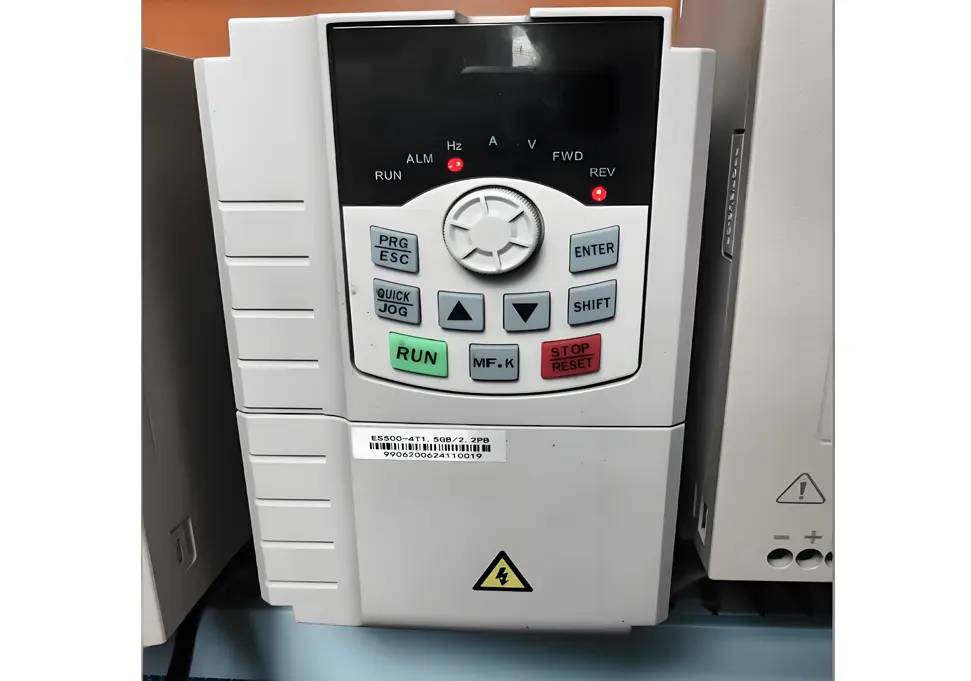
Common Causes of VFD Overheating Issues
1. Environmental Factors
- High ambient temperature: Operating above recommended range (-5°C to +40°C)
- Inadequate ventilation: Poor air circulation in installation area
- Direct sunlight exposure: Equipment placed in unshaded locations
- Proximity to heat sources: Nearby machinery generating excessive heat
2. Cooling System Failures
- Malfunctioning cooling fan: Fan not working or running at reduced speed
- Clogged air pathways: Heat sinks blocked by dust, debris, or fibers
- Dirty heat exchangers: Accumulated dirt reducing thermal transfer efficiency
3. Electrical Load Problems
- Continuous overload conditions: Drive operating beyond rated capacity
- Oversized motor for drive: “Small drive, big motor” mismatch
- Motor defects: Short circuits, ground faults, or bearing failures causing high current
4. Internal Component Issues
- Faulty temperature sensors: Damaged thermistors or thermocouples
- IGBT module overheating: Power semiconductor failures
- Aging capacitors: Deteriorated components increasing heat generation
5. Programming Errors
- Excessively high carrier frequency: Increasing switching losses
- Incorrect thermal settings: Protection thresholds set too low
- Improper V/F curve configuration: Causing motor inefficiency and heating
Step-by-Step Troubleshooting Procedure
Immediate Response Actions
- Emergency shutdown: Stop VFD operation immediately upon OH alarm detection
- Power isolation: Turn off main power supply to ensure safety
- Cooling period: Allow equipment to cool naturally for 30-60 minutes
- Documentation: Record operating parameters at failure (frequency, current, voltage)
Environmental Assessment
- Temperature verification: Measure ambient temperature to ensure it’s within -5°C to +40°C
- Ventilation evaluation: Check for adequate air flow around the equipment
- Heat source identification: Locate and isolate nearby heat-generating equipment
- Sunlight protection: Install barriers if direct sunlight is an issue
Cooling System Inspection
- Fan functionality check:
-
- Visual inspection of fan operation
-
- Audible check for unusual noises
-
- Connection verification for loose wires
- System cleaning procedures:
-
- Compressed air cleaning of heat sinks (inside to outside direction)
-
- Removal of dust and debris from air channels
-
- Gentle cleaning of oil residues with neutral detergent
- Electrical verification:
-
- Typical fan voltage verification (usually 24V DC)
-
- Power supply testing with multimeter
Load Analysis
- Current measurement:
-
- Actual output current testing with clamp meter
-
- Comparison against rated specifications
- Mechanical inspection:
-
- Driven equipment operation assessment
-
- Mechanical resistance evaluation
-
- Motor condition check for noise and vibration
- Motor testing:
-
- Insulation resistance measurement
-
- Bearing condition assessment
-
- winding integrity check for shorts or grounds
Parameter Configuration Review
- Carrier frequency adjustment: Optimize between 2-8kHz for balance of performance and heat
- Thermal protection settings: Verify temperature thresholds match application requirements
- V/F curve optimization: Ensure proper motor magnetization without overheating
- Electronic thermal relay calibration: Match motor thermal characteristics
Advanced Internal Diagnostics (Professional Service)
- Temperature sensing circuit checks:
-
- Thermistor resistance measurement
-
- Comparator circuit functionality testing
-
- Related component value verification
- Power module inspection:
-
- IGBT junction temperature testing
-
- Module physical condition assessment
-
- Isolation resistance verification
- Component evaluation:
-
- Capacitor condition assessment (bulging, leakage)
-
- ESR (Equivalent Series Resistance) testing
-
- Overall board condition inspection
Comprehensive Solutions for VFD Overheating
Environmental Control Measures
- Climate control installation: Air conditioning systems for high-temperature environments
- Ventilation enhancement: Industrial fans and exhaust systems implementation
- Cabinet design optimization:
-
- Strategic exhaust fan placement
-
- Proper air inlet configuration
-
- Effective air circulation design
Cooling System Upgrades
- High-performance fan replacement: Upgrade to industrial-grade cooling fans
- Thermal management enhancement: Additional heat sinks and cooling surfaces
- Heat exchanger implementation: For harsh or dusty environments
- Air filtration systems: Preventive maintenance against contamination
Load Management Strategies
- Load reduction techniques: Process optimization to reduce power requirements
- Proper drive sizing: Selection of appropriately rated equipment (1.8x load rule)
- Acceleration profile optimization: Reduce inrush currents through ramp adjustments
- Motor maintenance program: Regular servicing to prevent efficiency loss
Programming Optimization
- Carrier frequency tuning: Balance between efficiency and thermal performance
- V/F curve customization: Application-specific motor performance optimization
- Thermal protection calibration: Precision setting of temperature thresholds
- Energy-saving algorithms: Implement eco-mode features when appropriate
Preventive Maintenance Program
Regular Maintenance Schedule
- Monthly inspections:
-
- Cooling fan operation check
-
- Temperature monitoring
-
- Basic visual inspection
- Quarterly maintenance:
-
- Filter replacement or cleaning
-
- Connection tightness verification
-
- Parameter backup
- Semi-annual service:
-
- Comprehensive cooling system cleaning
-
- Detailed electrical testing
-
- Preventive component replacement evaluation
Installation Best Practices
- Proper spacing requirements:
-
- Minimum 50mm side clearance
-
- 150mm top and bottom space
-
- Vertical mounting orientation
- Ventilation design:
-
- Strategic fan placement
-
- Effective air filtration
-
- Avoidance of sealed enclosures
- Environmental considerations:
-
- Temperature and humidity control
-
- Contamination prevention
-
- Vibration isolation
Operational Monitoring
- Real-time monitoring systems: Implement temperature and current monitoring
- Preventive maintenance scheduling: Based on operating conditions
- Condition-based monitoring: Predictive maintenance using trend analysis
- Regular performance testing: Periodic verification of operating parameters
Professional Repair Services
When to seek professional assistance:
Advanced Circuit Repairs
- Temperature sensing system repair:
-
- Thermistor replacement
-
- Circuit board component repair
-
- Calibration services
- Power module replacement:
-
- IGBT module installation
-
- Driver circuit repair
-
- System reconfiguration
- Control board servicing:
-
- Component-level repairs
-
- Solder joint restoration
-
- Firmware updates and calibration
Critical Safety Guidelines
Maintenance Safety
- Power isolation procedures:
-
- Complete power shutdown during maintenance
-
- Proper lockout/tagout implementation
-
- Capacitor discharge verification
- Personal protective equipment:
-
- Insulated gloves and safety glasses
-
- Proper clothing for electrical work
-
- Respiratory protection when cleaning
Technical Safety Practices
- Qualified personnel requirements: Internal circuit work by trained technicians
- Proper tool usage: Insulated tools for electrical testing
- Safety standard compliance: Follow all applicable electrical codes
Documentation and Training
- Maintenance records: Detailed documentation of all service activities
- Equipment history: Comprehensive maintenance log development
- Staff training: Proper operation and maintenance procedures
Frequently Asked Questions About VFD Overheating
Q: How quickly should I respond to an OH alarm?
A: Immediate shutdown is recommended to prevent permanent damage.
Q: What is the normal operating temperature range for VFDs?
A: Most drives operate safely between -5°C and +40°C ambient temperature.
Q: How often should cooling fans be replaced?
A: Preventive replacement every 2-3 years is recommended for critical applications.
Q: Can I clean the VFD while it’s running?
A: No, always disconnect power before any cleaning or maintenance.
Q: What causes intermittent OH alarms?
A: Often caused by marginal cooling, intermittent fan operation, or varying load conditions.
By following this comprehensive troubleshooting guide and implementing the recommended preventive measures, you can effectively resolve VFD overheating issues, minimize downtime, and extend the operational life of your variable frequency drives.