

Why Use a Variable Frequency Drive (VFD)?
The core purpose of using a Variable Frequency Drive (VFD) is to achieve energy savings, optimize production processes, and reduce equipment wear by precisely controlling motor speed—addressing the pain points of traditional fixed-speed motors across three key dimensions: cost, efficiency, and equipment lifespan.
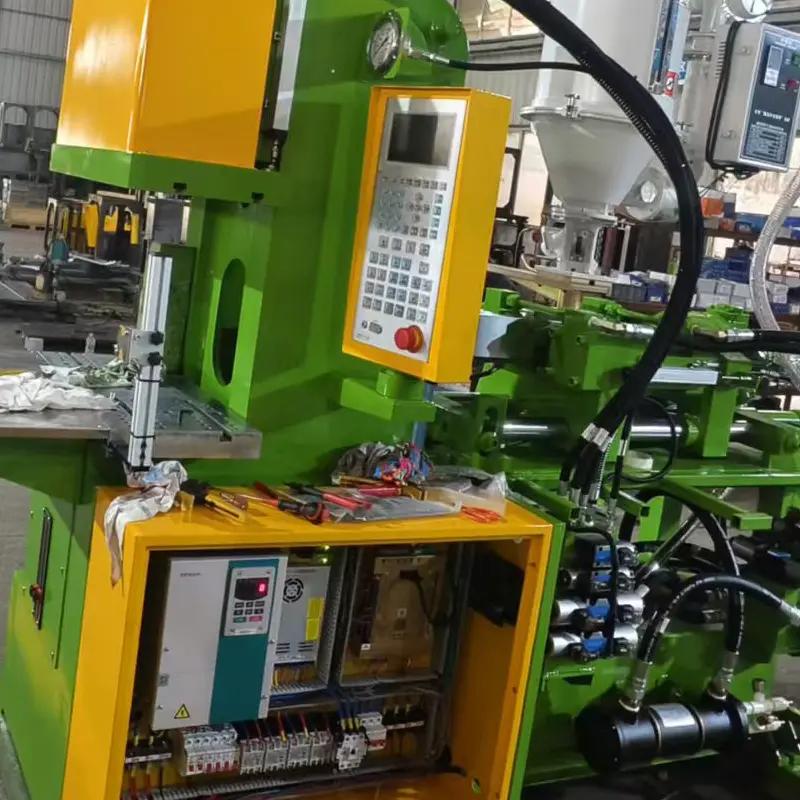
1. Significantly Save Energy and Reduce Operating Costs
This is the most critical reason for using a VFD, especially for centrifugal loads such as fans, pumps, and compressors.
- Motor energy consumption is proportional to the cube of its speed (following the “affinity laws”). For example, if the motor speed is reduced to 75%, its energy consumption drops to only about 42% of that at full speed.
- It replaces the traditional load control method of “valve or damper throttling,” eliminating energy waste caused by forced flow restriction.
2. Achieve Precise Speed Regulation and Improve Production Quality
VFDs enable stepless speed regulation from 0 to 100% of the rated speed, meeting the flexible speed requirements of different processes.
- They can stably control production parameters: for instance, adjusting pump speed to regulate water pressure or fan speed to control air volume, thus preventing product defects caused by parameter fluctuations.
- They support custom speed curves. For example, a production line can accelerate slowly during startup to avoid material impact, and decelerate gradually during shutdown to protect both equipment and materials.
3. Protect Equipment and Extend Service Life
The “soft start/soft stop” function of VFDs is key to protecting motors and associated equipment.
- It avoids the current surge (6 to 8 times the rated current) that occurs during traditional direct startup, reducing wear on motor windings and bearings and lowering the risk of motor burnout.
- It reduces mechanical impact: for connected equipment like conveyors, gearboxes, and pipelines, this lowers the probability of component loosening or breakage, and decreases maintenance frequency.
4. Simplify Systems and Reduce Maintenance Costs
The electronic control method of VFDs is more reliable and easier to maintain than traditional mechanical speed regulation.
- It replaces mechanical speed-regulating components (e.g., pulleys, gearboxes), reducing wear and maintenance needs caused by mechanical friction.
- It comes with built-in protection functions for overcurrent, overvoltage, overload, and overheating. It monitors equipment status in real time and automatically triggers alarms or shutdowns when abnormalities occur, preventing fault escalation.
5. Facilitate Integration and Adapt to Automation Systems
VFDs can be easily integrated into modern industrial automation systems, improving overall management and control efficiency.
- They support mainstream communication protocols such as Modbus and Profinet, and can connect to PLC (Programmable Logic Controller) and SCADA (Supervisory Control and Data Acquisition) systems to enable remote monitoring, speed regulation, and data collection.
- Without adding extra complex control modules, they can realize coordinated speed regulation of multiple motors, simplifying system wiring and control logic.